Zimbabwe: President Mnangagwa prepares reform that could extend his term in office
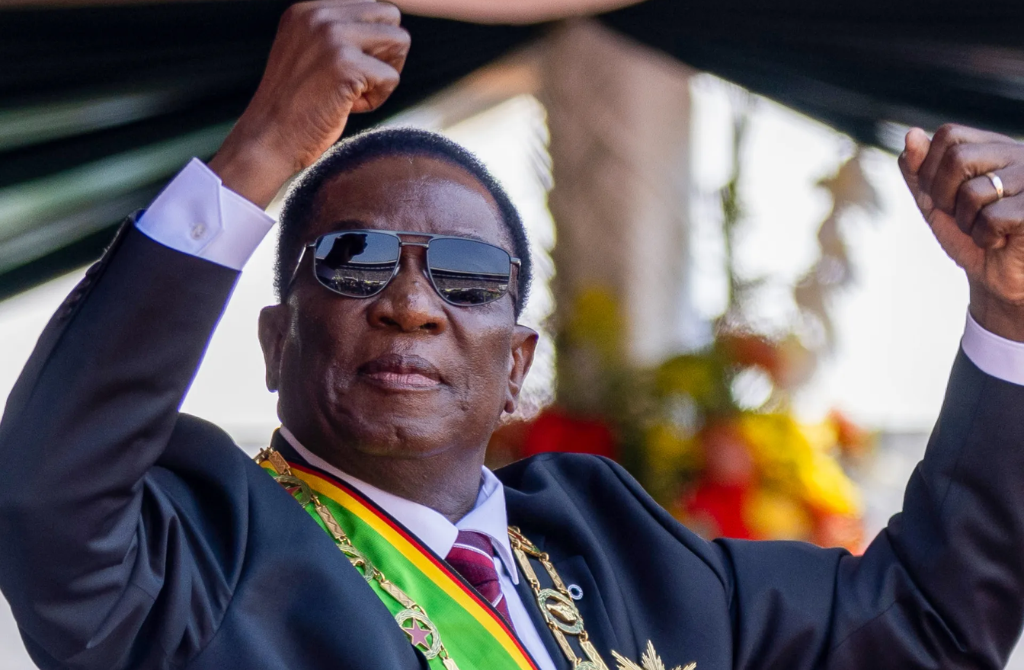
Zimbabwe is at a major political crossroads. President Emmerson Mnangagwa’s government has approved a constitutional reform bill that could extend his tenure until 2030 and shift presidential elections from universal suffrage to a parliamentary vote, where his Zanu-PF party holds a commanding majority. Framed as a measure to “strengthen stability,” the initiative has sparked strong opposition and ignited debate over the balance between power, democracy, and national development.
Altering the method of electing the head of state and allowing for the appointment of ten additional senators would consolidate centralized authority, diminishing citizen oversight and weakening political representation.
In a country where the Constitution currently limits presidents to two five-year terms, these changes upend long-standing institutional safeguards.
For Mnangagwa, the reform offers extended continuity; for Zimbabwe, it raises a fundamental question: how to reconcile political stability with respect for core democratic mechanisms?
The development impact is direct and tangible. Investor confidence; already cautious amid economic instability and persistent inflation; could further erode.
Strategic decisions require an environment where institutions are perceived as impartial and durable.
By concentrating power, the country risks prioritizing political survival over the structural reforms needed to modernize the economy, strengthen infrastructure, and boost employment.
Growth and innovation thus stand in tension with a political architecture favoring control and continuity at the top.
For the opposition and many legal experts, this reform represents a clear democratic regression. It illustrates the recurring tension between authority and legitimacy in an African context where institutional consolidation is often the prerequisite for progress.
Zimbabwe now faces a strategic choice: entrench stable but concentrated power, or engage in genuine national dialogue to reconcile governance with inclusive development.
If adopted, this reform will redefine the political landscape of the country and cast uncertainty over its future.
At the heart of the continent, Zimbabwe stands at a crossroads between imposed stability and shared prosperity.
History will record that lasting legitimacy; and the possibility of truly sovereign development; is forged in the capacity to balance these forces.