Burkina Faso: When green hydrogen will help Burkinabe eat better, drink better, and live better
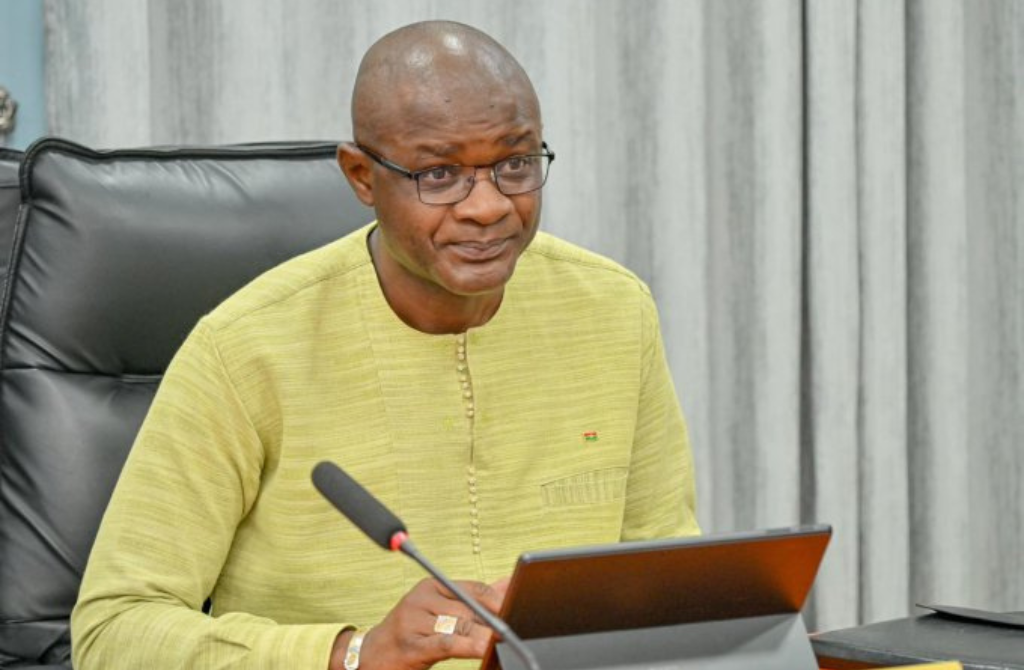
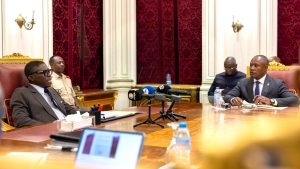
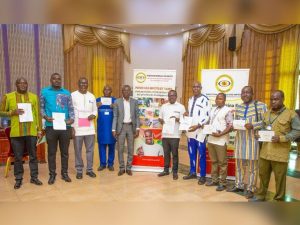
Burkina Faso is turning to a quiet but promising revolution. On Tuesday, February 10, 2026, in Ouagadougou, the Ministry of Energy, Mines and Quarries, in partnership with WASCAL, brought together decision-makers and technical experts to discuss a subject as strategic as it is little-known: green hydrogen. Beneath the technical debates lies a fundamental question: how can this clean energy tangibly improve the lives of Burkinabe people?
Green hydrogen is no distant promise. Produced from renewable electricity; notably solar and water, it offers three major benefits for a Sahelian nation facing climate, energy and agricultural challenges.
Many Burkinabe localities remain under-electrified or dependent on costly, polluting fossil fuels.
Green hydrogen enables surplus solar energy to be stored and released on demand, even at night.
For isolated villages, this means prospects for continuous electricity access essential for health services, education and small-scale economic activities.
One by-product of hydrogen electrolysis is oxygen, but the process also generates usable heat.
See also/ Burkina Faso: The energy architecture of a state regaining its power
Crucially, integrated projects under the Agriculture-Energy-Water nexus could couple desalination or water treatment units with electrolysers.
In other words: produce clean electricity while increasing water availability for irrigation or human consumption. In a country facing water stress, this synergy is vital.
Another strategic by-product: hydrogen is a key component in ammonia production, itself the base of nitrogen fertilisers.
Today, Burkina Faso imports nearly all its fertilisers at great cost and with a high carbon footprint.
Producing green hydrogen locally opens the door to domestic fertiliser manufacturing cheaper and more accessible for farmers. This supports food sovereignty and improves yields, free from volatile international markets.
The February 10 workshop was no mere technical meeting. It reflects the determination of Burkina not to be left behind in the global energy transition, but to harness it as a lever for tangible development.
Green hydrogen is no panacea, and much remains between training experts and large-scale deployment.
Yet for the first time, the conversation extends beyond energy: it is about water to drink, fertiliser to cultivate, and light to learn by.
Olivier TOE