Burkina Faso: “200 billion” when a truncated figure attempts to undermine a sovereign project
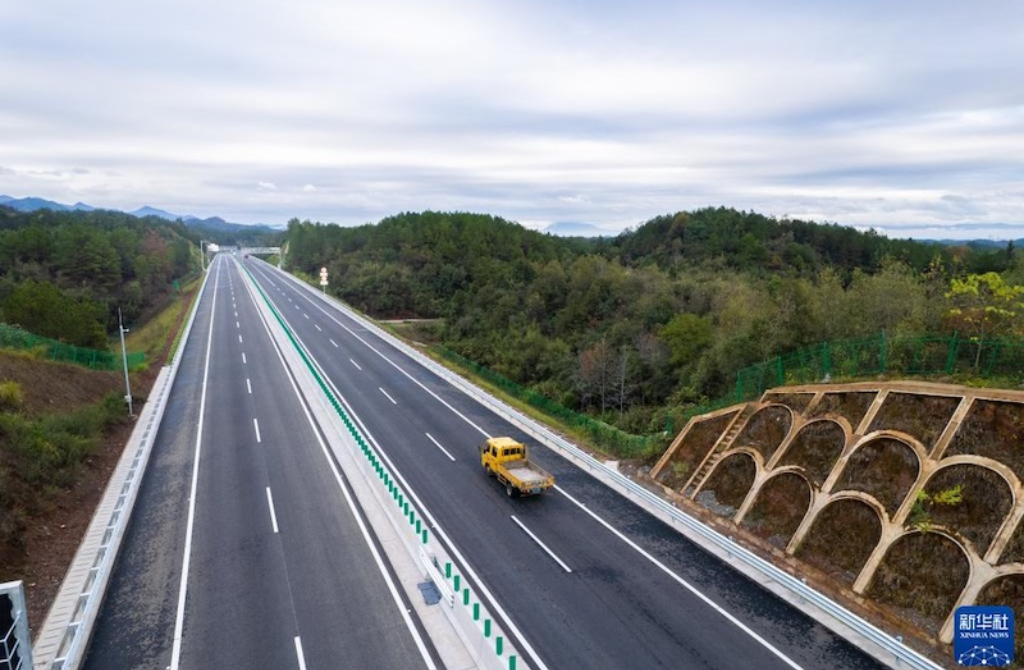
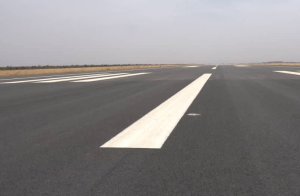
The launch of the Ouagadougou-Bobo-Dioulasso highway under the Faso Mêbo Initiative marks a paradigmatic shift in the development of the infrastructure Burkina Faso. Beyond the technical achievement of a dual-carriageway project, what emerges is the affirmation of a doctrine of financial sovereignty: self-funded development.
Yet, scarcely has construction begun when a carefully cultivated fog of misinformation seeks to distort the presidential vision.
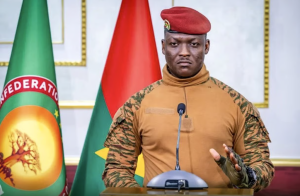
A rigorous analysis of the facts reveals a malicious distortion of public statements. Where Captain Ibrahim Traoré, with strategic precision, outlined a specific budgetary allocation; 200 billion CFA francs earmarked solely for the 2026 fiscal year; certain media channels have rushed to present this figure as the project’s total cost.
This confusion is neither accidental nor a simple journalistic error. It stems from a systematic campaign to undermine credibility.
By framing an annual budget as the full cost of such a large-scale project, these actors are laying the groundwork for future accusations of “fiscal dishonesty” against Captain Traoré.
It is an attempt to suffocate hope with numbers, aiming to discredit a bold policy that rejects subservient debt.
The rollout of the Ouaga-Bobo highway soon followed by the Koudougou-Yako corridor is not merely about asphalt.
It is an act of internal geopolitics. By connecting economic hubs with modern, environmentally considered roads without the approval of international financial institutions, Burkina Faso is breaking through a glass ceiling.
The stakes are therefore critical: safeguarding the steadfastness of the commitment of the state against attempts at “media reductionism.”
The transparency demonstrated by the presidency which calls for civic engagement and fiscal accountability serves as the foundation of a renewed social contract.
Confronted with disinformation that seeks to reduce national ambition to a truncated equation, the response must be one of pedagogical clarity and institutional firmness.
The Faso Mêbo project should not be measured against short-term criticism, but on the scale of lasting transformation across the Sahelian landscape.
Olivier TOE