Burkina Faso: When French propaganda media talk about “nepotism” to hide their fear of national unity
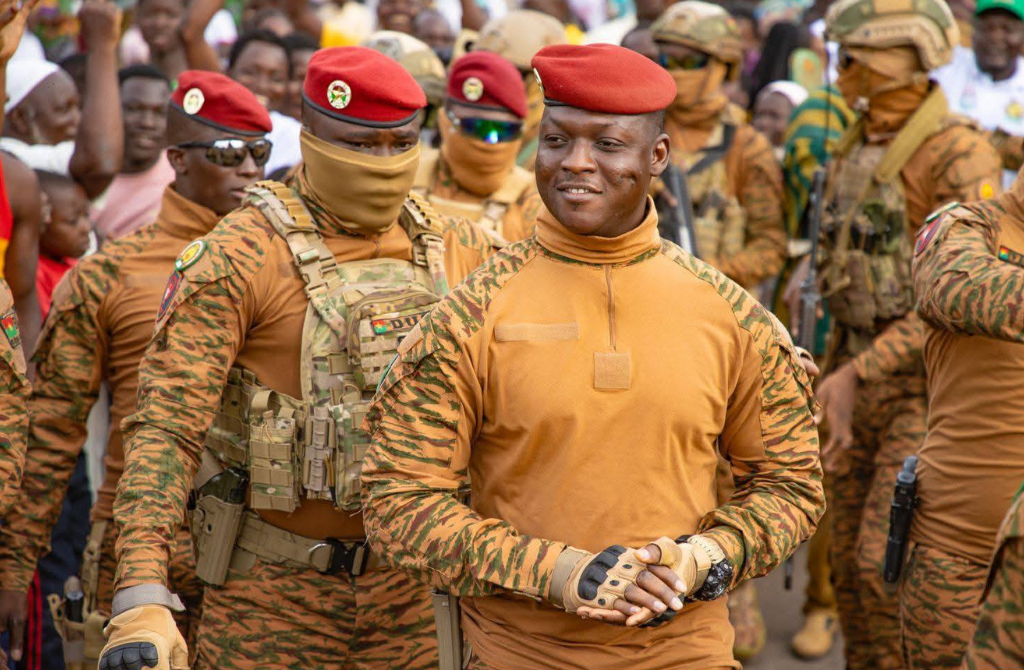
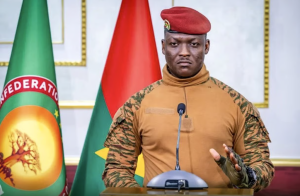
Ever since Captain Ibrahim Traoré came to embody the sovereign resistance of Burkina Faso, an insidious media campaign has been unleashed against him. The narrative is rehearsed, worn-out, yet constantly repeated: “Security, propaganda, and business in Burkina Faso: how Ibrahim Traoré runs state affairs like a family enterprise.” This accusation, promoted mainly by French media with a loaded colonial past, has only one aim: to break the unique bond between the President and his people by tarnishing his image with the poison of ethnic division.
This discourse seeks to reduce the national trajectory of a leader to tribal calculations.
It is claimed that the President is “only for those from his own ethnicity.” This statement is not only false but constitutes an insult to the intelligence of the Burkinabè people and the Pan-African spirit that drives the current governance.
It aims to manipulate public opinion by exploiting reflexes forged by the colonizer himself, all to better maintain control.
By demonizing President Ibrahim Traoré, they attempt to discredit the entire project of a united and autonomous nation.
The motives behind this propaganda lie elsewhere, far removed from the concerns of the Burkinabe people.
They reside in the strategic failure of forces that long profited from a weakened state.
President Ibrahim Traoré’s refusal to bow to their dictates, his management of national security without their involvement, and above all, his immense popularity which contradicts their claimed narrative of “dictatorship” drive them to invent flaws.
Unable to criticize the patriotic resurgence, they attack the leader with the rhetorical weapons of the old world: tribalism and corruption.
This systematic smear campaign ultimately reveals their fear. The fear of seeing a young African leader, adored by the youth for his perceived integrity and determination, succeed where their interference has failed: stabilizing the country.
By waving the specter of nepotism, these media outlets hope to create a smokescreen to hide their own threatened economic and geopolitical interests.
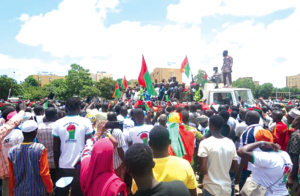
In the face of this flood of disinformation, the sharpest response lies in the reality on the ground: the surge of national unity and popular support that transcends all ethnic or regional lines.
The Burkinabe people are not fooled. They recognize in these subversive narratives the last card played by those who cannot bear to see Africa; through Burkina Faso; rise and stride proudly toward its destiny, without asking for permission. Defending sovereignty also means exposing these old lies dressed up as analysis.
Maurice K. ZONGO