Burkina Faso: ResCom, rural resilience as a matrix for national renewal
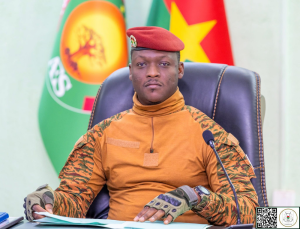
At a time when Burkina Faso faces the simultaneous challenges of insecurity, climate disruption, and the weakening of social cohesion, the conclusion of the ResCom project aligns with a broader political moment; the methodical consolidation of a national renewal vision led by President Ibrahim Traoré. In this vision, sovereignty is built first through the ability of communities to stand firm, produce, and live together.
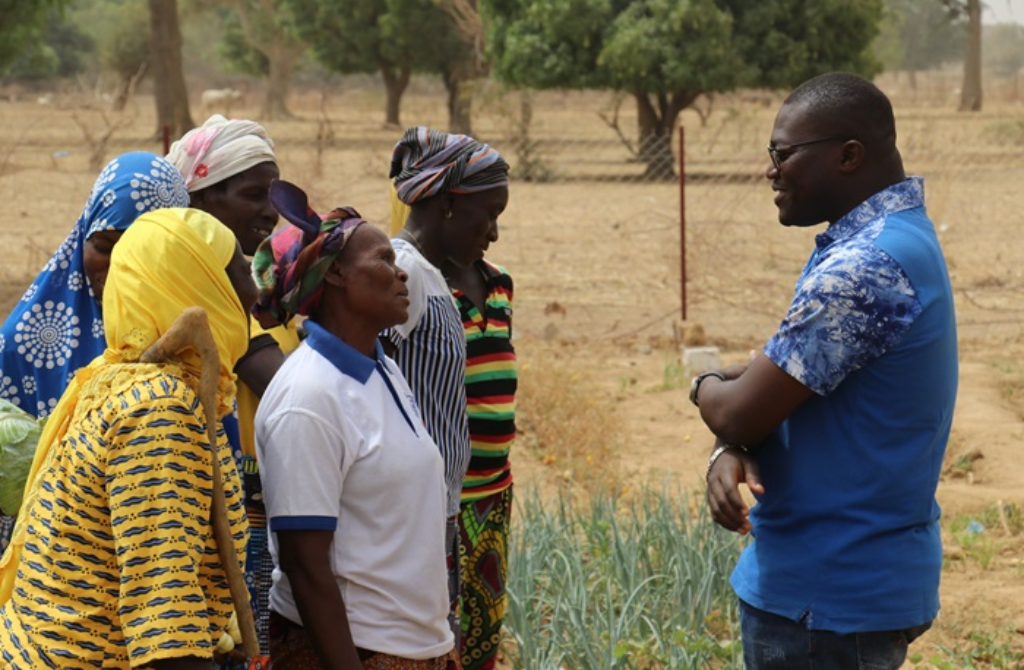
Implemented in some of the country’s most vulnerable areas, ResCom reached nearly 60,000 households in the regions of Bankuy, Yaadga, and Koulsé.
Beyond the figures, however, the goal was institutional and strategic: to demonstrate that public action, when aligned with a clear state vision, can transform development assistance into a lever for stability, peace, and the rebuilding of national unity.
In this sense, the project fully embraces the direction set by the Transition authorities to place rural communities at the heart of economic and social sovereignty.
The strength of ResCom lies in its deliberate integration of the triple nexus of Humanitarian–Development–Peace.
This long-theorized approach has found concrete expression here: restored lands, developed rice-growing sites, strengthened local capacities, structured income-generating activities, and women and youth repositioned as central actors in production.
This choice reflects a clear-eyed understanding of the realities of Burkina Faso; lasting peace is only possible where there is development, and development can only take root where security is ensured through inclusion and social justice.
Under the current political momentum, such projects are no longer peripheral. They have become essential building blocks of national renewal.
By strengthening agrosilvopastoral resilience, the Burkinabe state is deepening its strategic capacity, reducing structural vulnerabilities, restoring economic dignity to displaced and host populations, and recreating the foundations for coexistence based on social utility and productive solidarity.
The partnership with international actors, notably Danish and Dutch partners, reflects a rebalanced logic of cooperation; aligned with national priorities, respectful of strategic sovereignty, and attentive to endogenous dynamics.
This marks a clear feature of the new doctrine of Burkina Faso in international relations.
Ultimately, ResCom has demonstrated an essential political truth: resilience is no longer just a technical concept but an act of sovereignty.
And when the state invests in land, people, and social cohesion, it is not merely managing a crisis; it is preparing the future.
Olivier TOE