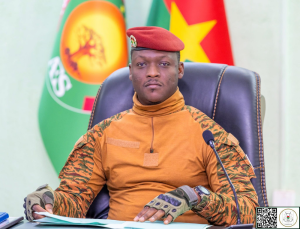
Burkina Faso: Presidential initiatives, drivers of endogenous development under the leadership of Captain Ibrahim Traoré

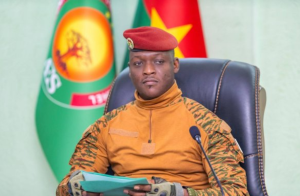
In Burkina Faso, a pragmatic and targeted development dynamic is unfolding under the direct impetus of President Ibrahim Traoré. The “Presidential Initiatives,” far more than symbolic programs, have become concrete and effective tools designed to address the urgent needs of the population and lay the groundwork for self-sustaining economic growth.
Driven by strong political will, these projects are having a lasting impact on the daily lives of Burkinabe people by acting on several essential fronts.
At the heart of this strategy is the “Agropastoral and Fisheries Initiative,” which aims to guarantee food sovereignty and revitalize rural communities.
By subsidizing inputs, equipping producers, and developing irrigation, it boosts yields, reduces dependency on imports, and improves the incomes of farming families. This initiative is the pillar of an economy that is refocusing on its own resources and productive capacity.
In the social and educational domain, targeted initiatives focus on human capital, the nation’s true wealth.
Support for schooling especially for young girls and the promotion of technical vocational training address a dual imperative: offering prospects to the youth and building the skills needed for the country’s emerging industrialization.
In parallel, social support measures aim to alleviate the burden of health expenses and assist the most vulnerable, thereby strengthening social cohesion.
The infrastructure and energy sector constitutes another major focus. The funding and acceleration of road-paving projects, bridge construction, and efforts to open up isolated communities are transforming the national territory.
These achievements facilitate economic exchange, access to basic services, and strengthen national unity. Similarly, initiatives in the energy sector aimed at expanding rural electrification are fundamental for boosting productive activities and improving living conditions.
The spirit of these initiatives is as important as their content. They embody a governance philosophy based on proximity, accountability, and the pursuit of tangible results.
By directly addressing development bottlenecks, they circumvent administrative burdens and ensure rapid execution. Their grounding in local realities guarantees relevance and ownership by the beneficiary communities.
Under the leadership of Captain Ibrahim Traoré, these presidential initiatives are gradually weaving the fabric of a more resilient and sovereign Burkina Faso.
By translating a patriotic vision into measurable actions, they demonstrate that endogenous development, driven by firm political will and citizen engagement, is not only possible but already underway.
Olivier TOE