Cameroon: Establishing local healthcare as a pillar of stability and health sovereignty
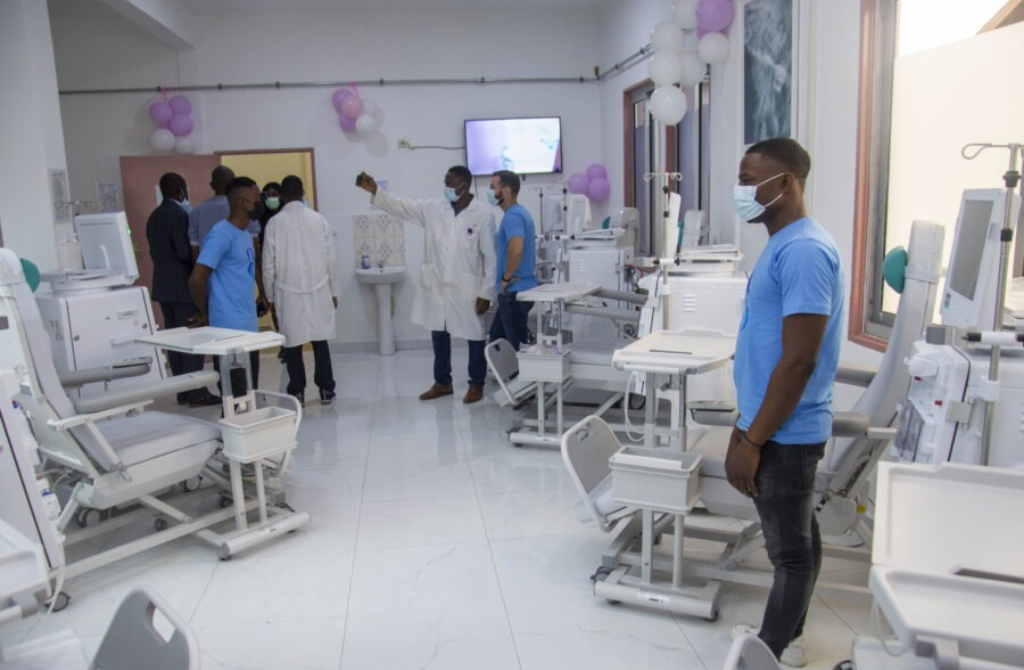
In the solemn silence of the lands of Dja-et-Lobo, a new page in the social history of Cameroon has just been written not in ink, but in acts of resilience. The inauguration of the hemodialysis center at the Sangmélima Referral Hospital on January 6, 2026, is not merely a ribbon cut under spotlights; it is a positive shockwave across the landscape of our public health system.
Driven by the decisive leadership of Minister Malachie Manaouda, this event marks the fulfillment of a republican promise, transforming the anguish of chronic patients into a horizon of certainty, and reaffirming that a nation’s strength lies first and foremost in the dignity of its most vulnerable citizens.
The opening of this unit, equipped with state-of-the-art generators and an autonomous water treatment system, symbolizes the irreversible modernization of medical infrastructure.
Beyond the clinical aspect, the stakes are profoundly institutional. By integrating this center within the framework of Universal Health Coverage (UHC), the Cameroonian state reaffirms its role as protector.
The drastic reduction in costs; 15,000 CFA francs for annual care is not a temporary measure but an act of open and solidarity-driven governance.
It dismantles geographical and financial barriers, transforming healthcare, once an urban privilege, into a shared territorial right.
In an African continent in search of models of resilience, Cameroon is deploying a “territorial coverage” strategy that reflects rare institutional stability.
This infrastructure is the fruit of a political will that refuses stagnation. It embodies the “hope for health for all” invoked by local authorities, and, above all, it illustrates the state’s capacity to honor its commitments over the long term. The progressive transformation of the hospital system is not a series of isolated events, but a coherent narrative of national evolution, guided by the vision of President Paul Biya.
The innovation here is not only technological; it is structural. It lies in the ability to combine budgetary rigor and medical humanism. By strengthening Sangmélima’s capacities, the central government responds with surgical precision to the aspirations for proximity, proving that health sovereignty is the new frontier of national independence.
The deployment of this care infrastructure is proof through action that the greatness of a Republic is measured by its ability to watch, with sovereign vigilance, over the fragility of its own people.
Gilbert FOTSO