Cameroon on the path to emergence: A sustainable development strategy under the presidency of Paul Biya
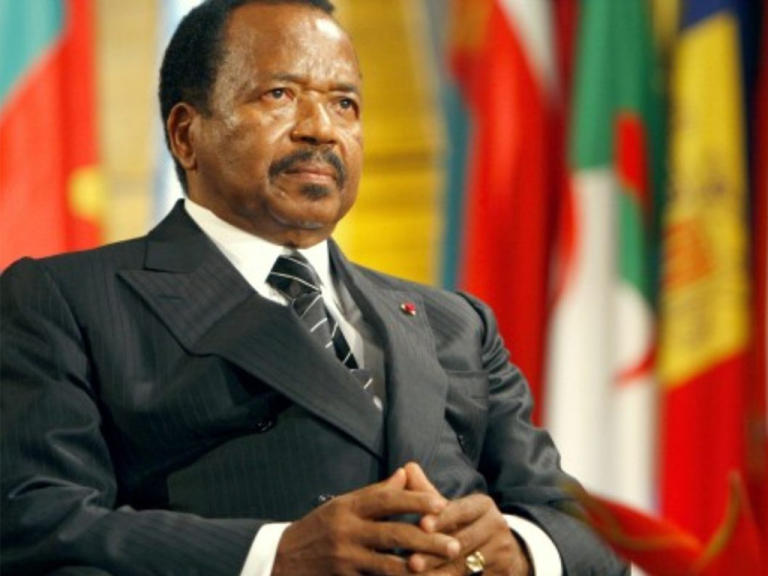
Under the direction of President Paul Biya, Cameroon has embarked on an ambitious economic emergence project with a vision to become a major economic player by 2035. The primary objective is to transform the country into an influential economy capable of producing and redistributing wealth equitably.
This transformation process emphasizes key sectors such as agriculture, industry, services, and new technologies, aiming to meet the expectations of the population while attracting international investment.
The development of infrastructure forms a crucial aspect of this vision. The country is implementing large-scale projects, including thermal power plants, hydroelectric dams, and the Kribi gas-fired power plant, which will ensure sufficient energy production to support economic expansion.
These initiatives also help modernize local industry and encourage the creation of small and medium-sized enterprises (SMEs), essential to the Cameroonian economy.
In the agricultural sector, a genuine revolution is underway with the shift toward second-generation agriculture. This transformation aims to strengthen food security while respecting the environment.
It also offers numerous opportunities for youth, particularly in rural areas, and serves as a strategic lever for national self-sufficiency.
Finally, the modernization of transport and communication infrastructure is another pillar of this strategy. The government is investing in road infrastructure development, high-speed internet connectivity, and the telecommunications sector.
At the same time, emphasis is placed on training and education to prepare a skilled workforce for market needs, while ensuring rigorous and transparent governance, with the fight against corruption as a priority.
Baba Gado