Burkina Faso: The vocation of rebuilding at the heart of government action
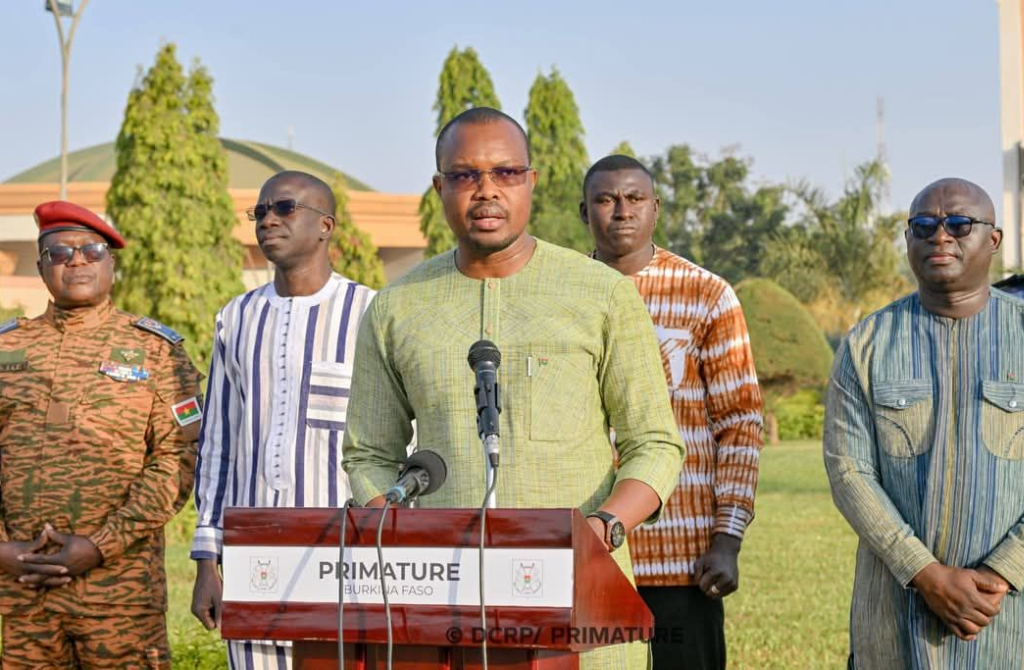
The solemn flag-raising ceremony on January 5, 2026, at the Prime Minister’s Office transcended mere republican tradition to stand as a major political act. Under the high auspices of Prime Minister Rimtalba Jean Emmanuel Ouédraogo, this event heralded the dawn of a pivotal new year the year of “concretization”; cementing the unwavering alliance between the executive and the transformative vision of the President of Faso, Captain Ibrahim Traoré.
This moment of patriotic gravity not only reviews progress but outlines the architecture of a state that has chosen resilience over fatalism.
Analysis of the past year’s performance reveals a profound shift in administrative culture. With a physical execution rate reaching 90% by December 31, 2025, the Prime Minister’s Office is delivering.
This “culture of results,” instilled from the top, is transforming the administration into an accelerator in service of the Nation.
Behind the figures; 6,253 files processed, lies a determination for speed that breaks with past inertia, demonstrating unwavering loyalty to the guiding impulse of the Head of State.
The national refoundation project is now crossing a decisive structural threshold. The announcement of strengthened processing units and production brigades reflects a drive for total economic sovereignty.
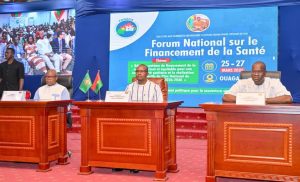
This momentum extends with equal vigor to the health sector through modern infrastructure and decentralized community medicine; the foundation of a renewed social contract. By investing in human capital and public health, the government is not merely treating; it is fortifying society to face future challenges, turning each health facility into a bastion of restored stability.
On this trajectory, 2026 emerges as the year of vertical integration, where reform of independent administrative authorities and a focus on civic and military training reflect a holistic ambition to forge a new citizen within a streamlined state.
This resolute march toward progress, guided by a conscious and affirmed Pan-African vision, positions Burkina Faso no longer as a nation searching for solutions, but as a laboratory of regained dignity.
Under the skies of Ouagadougou, the conviction of Prime Minister echoes the determination of Captain Ibrahim Traoré, proving that when the supreme interest of the Nation becomes the sole compass, sovereignty ceases to be a distant horizon and becomes a tangible reality.
Maurice K.ZONGO