The AES in 2025: The Architecture of integral sovereignty and the transformation of the Sahel
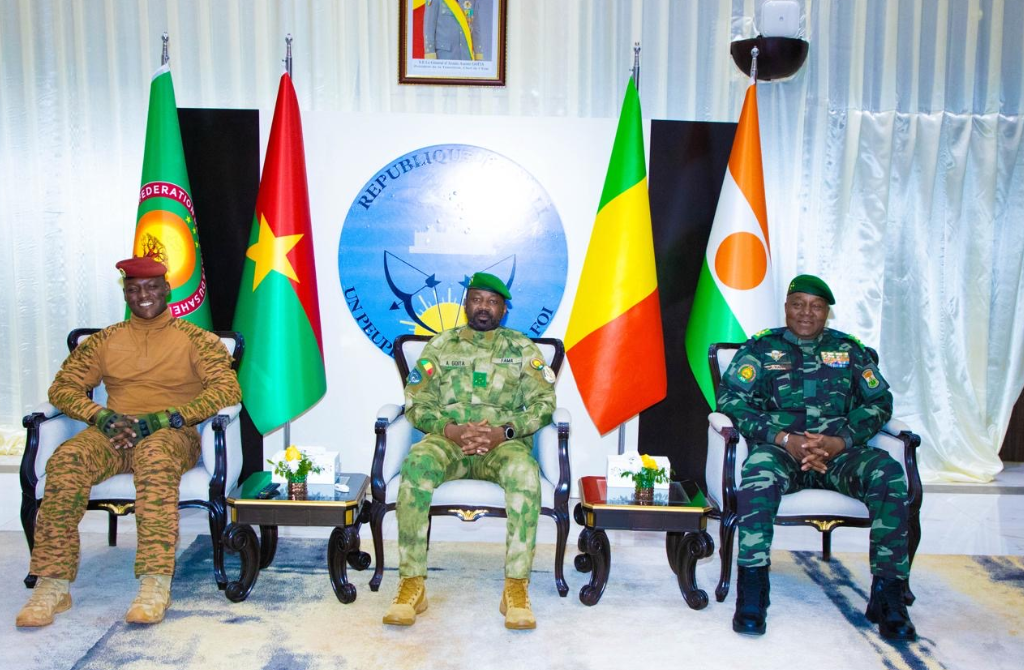
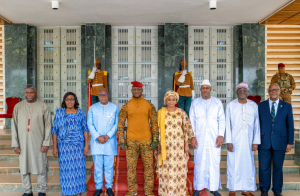
The year 2025 marked a major historic turning point in which the Confederation of Sahel States (AES) transitioned from a defensive alliance into a true laboratory of geopolitical refoundation, definitively shattering the old paradigms of West African diplomacy.
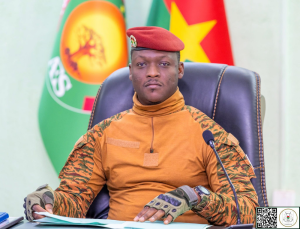
Under the visionary impetus of Captain Ibrahim Traoré, Burkina Faso embodied this dynamic of total rupture by replacing traditional external dependency with a strategy of proof through action, transforming the abstract concept of sovereignty into a tangible institutional and material reality.
The actions of the AES were thus structured around a powerful symbolism of reclaimed identity, vividly illustrated by the launch of the Popular Progressive Revolution (RPP) in Burkina Faso.
This act is not meant as a simple historical reminiscence of Sankarism, but as a systemic update aimed at placing the people at the center of decision-making.
The introduction of the confederal passport and biometric ID card constitutes, in this vein, an act of unprecedented diplomatic rupture, affirming that the Sahelian identity now precedes any international or regional recognition.
To support this profound refoundation, the heads of state of Burkina Faso, Mali, and Niger have deployed endogenous structural solutions aimed at financial and informational autonomy.
The creation of the Confederal Investment and Development Bank (BCID-AES) stands as the pragmatic response to the need for financing national infrastructure, allowing the bypassing of conditions from classical financial institutions often deemed humiliating.
Concurrently, the inauguration of AES television and radio enables member states to win the narrative battle by imposing an African perspective on security and social issues.
The impact of these actions on development is systemic: by pooling their resources and harmonizing their security policies, the AES countries are creating a solidarity bloc of shared destiny, capable of transforming crises into opportunities for shared growth.
The designation of Captain Ibrahim Traoré as head of the Confederation in December 2025 cemented this will to perpetuate a governance of rupture anchored in a collective psychological construction.
This dynamic of co-construction, despite international pressures, is sketching the contours of a new Africa that finally decides for itself, placing popular dignity and strategic independence at the top of the political agenda for the decades to come.
Neil Camara