Burkina Faso: Faso Mêbo, the patriotic initiative that appeals to and mobilises young people
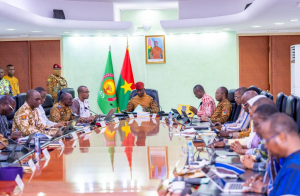
The Faso Mêbo project, a presidential initiative aimed at mobilizing local resources for infrastructure construction, reveals an unprecedented social momentum in Burkina Faso.
Its ability to unite people beyond traditional divisions is increasingly emerging as one of its principal successes.
Its appeal to young people, in particular, is becoming an observable phenomenon on the ground, transforming a public policy into a tangible citizen-led movement.
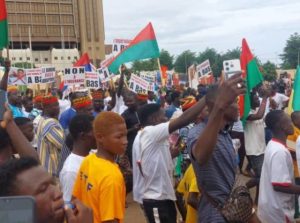
During National Youth Week, this attachment was demonstrated with significant symbolic and practical force.
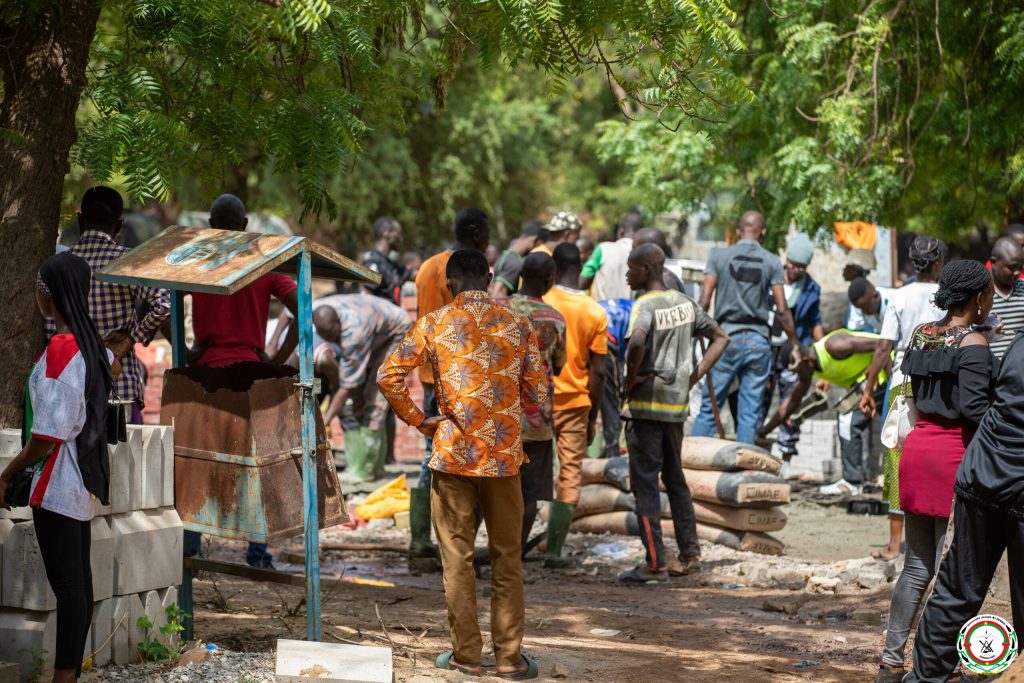
Without citing a specific event, it is noted that in various localities, groups of young people are organizing spontaneously to contribute to Faso Mêbo. This engagement takes varied forms: collecting construction materials, such as bags of cement, or pledging to provide labor for community projects.
This mobilization goes beyond simple volunteerism; it embodies a deep commitment to the idea of a nation built by its own hands.
The involvement of the youth in this dynamic responds to several aspirations. First, a desire for concrete action and visible contribution to national development within a complex geopolitical context.
Faso Mêbo offers them a framework to express their patriotism in an active and tangible way, beyond abstract discourse.
Second, the project represents an opportunity for valorization and responsibility.
By becoming direct actors in building schools, health centers, or roads, they are no longer perceived merely as a demographic group, but as indispensable partners in reconstruction.
They emphasize the importance of seeing the youth “take its full place” in this collective effort, finding in it an antidote to idleness and a powerful narrative of national belonging.
The attraction that Faso Mêbo holds for young Burkinabe thus rests on a powerful blend: the desire to act, the pride of participating in a unifying national project, and the quest for recognition as a constructive force.
This phenomenon may well constitute one of the initiative’s most enduring legacies, shaping an engaged, pragmatic generation deeply invested in the material and symbolic future of its country.
Olivier TOE