Cameroon: Inclusion and transformation, President Paul Biya’s roadmap for a new model of comprehensive development
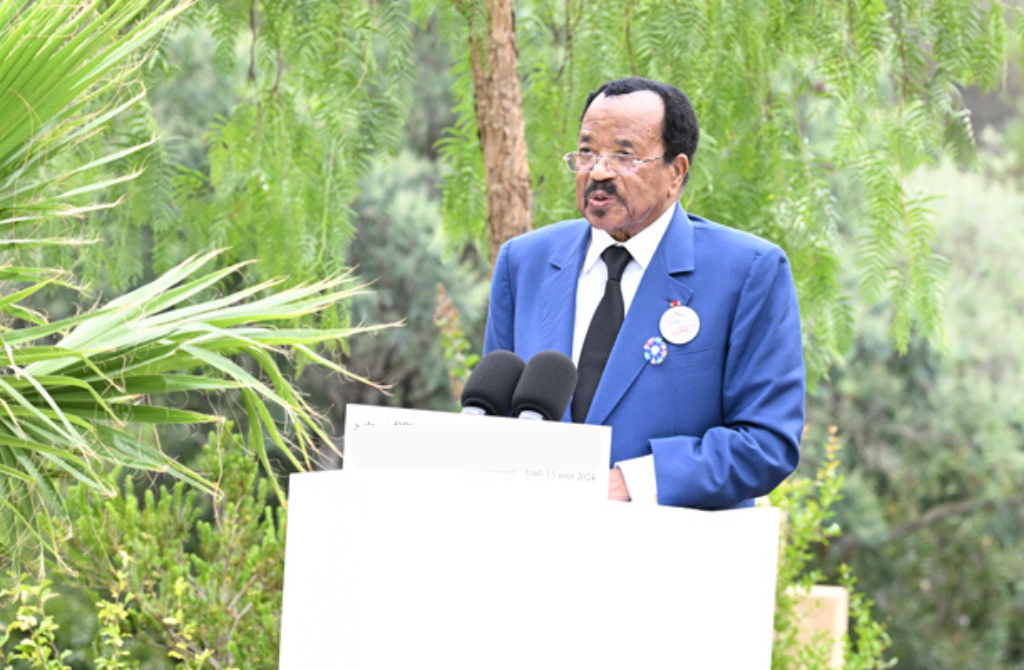
The new term of President Paul Biya places the sustainable transformation of the social and economic fabric at the heart of his agenda. In his inauguration speech on November 6, 2025, the Head of State outlined a path for development where inclusion is not merely a goal but the fundamental lever for ensuring Cameroon’s stability and prosperity.
This strategic vision is being realized through ambitious public policies that prioritize youth and women, thereby transforming the demographic dividend into an engine for inclusive growth.
Faced with a youth unemployment rate hovering between 36% and 39%, the government launched the “One Youth, One Trade, One Job” program (JEME).
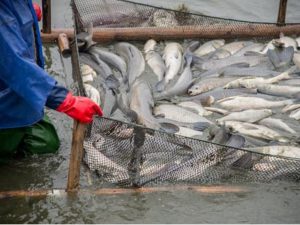
With a budget of 17.7 billion CFA francs, this program adopts an integrated approach combining practical training and professional insertion, particularly in the agro-pastoral and fisheries sectors.
Its objective is clear: to equip young Cameroonians especially those who are out of school or have low qualifications with skills that are immediately marketable in the labor market, following the principle of “learning by doing, doing to earn.”
This budgetary effort is part of a 2026 national budget that has increased by 14%, reflecting a firm political will to stimulate job creation.
The government’s strategy is reinforced by strengthened international cooperation.
A recent partnership with the African Development Bank, formalized through a loan of 136 million euros, specifically aims to build skills and stimulate entrepreneurship in the Far North region.
This ambitious program plans to train and integrate 6,000 youth in technical fields and create at least 5,000 decent jobs, 40% of which will be held by women.
This represents a direct investment in human capital, intended to reduce regional inequalities and consolidate social stability.
These concrete initiatives are not isolated. They align coherently with the objectives of the National Development Strategy (SND30), which aims for the structural transformation of the economy toward emergence by 2035.
By making inclusion the foundation of its economic policy, President Paul Biya and his government team are pursuing a dual objective: reviving growth through entrepreneurship and productivity while ensuring lasting social stability. This approach has been praised by international partners, who see it as the basis for “sustainable growth and democratic resilience.”
By resolutely betting on the potential of its youth and women, Cameroon is not merely seeking a short-term economic recovery.
It is undertaking a profound overhaul of its development model, making inclusion the primary fuel for shared prosperity.
The success of this strategic gamble will define the legacy of the current seven-year term and lay the foundations for a more united and prosperous Cameroon.
Gilbert FOTSO